The short answer
A portable power station covers specific devices: a refrigerator, phone chargers, Wi-Fi, a CPAP, some lights. A home backup kit is meant to feed part of your home's wiring, such as selected circuits, through a transfer switch or similar hardware. The right choice depends on what you must keep running and how long the outage lasts. It does not depend on which product is bigger.
Product lineups and names change. Confirm current specs, included parts and compatibility on the official Jackery site before you buy.
What each option does
Portable power station
This is a battery with built-in outlets and an inverter. You plug devices in with extension cords. There is no electrical work, and you can take it camping or to a job site. The limit is that you can only power what the cord reaches, and only within the unit's rated output and stored energy. For the basics, see Choosing the Right Power Setup: Types & Options.
Home backup kit
A backup kit usually means a larger battery system tied to your home's electrical panel through a transfer switch, interlock or similar device. It can power hard-wired loads such as lights, outlets on selected circuits, or possibly a furnace blower or well pump, depending on the system's voltage and output. The tradeoffs are higher cost, more planning and professional installation.
Safety note: Never connect a battery or generator to a home outlet or panel with a homemade cable. That can backfeed the grid and endanger utility workers. Panel connections should be done by a licensed electrician following local code, and often require a permit.
Side-by-side comparison
| Factor | Portable power station | Home backup kit |
|---|---|---|
| Setup | Plug in and go | Planning and licensed installation |
| What it powers | Devices within cord reach | Selected circuits or hard-wired loads |
| Portability | Moves between home, car, camp, job site | Mostly fixed in place |
| Typical fit | Essentials: fridge, internet, medical devices, lights | Longer outages, hard-wired appliances |
| Cost | Generally lower (check current pricing) | Generally higher, plus installation |
| Flexibility | Easy to replace or add a second unit | Depends on system design and expandability |
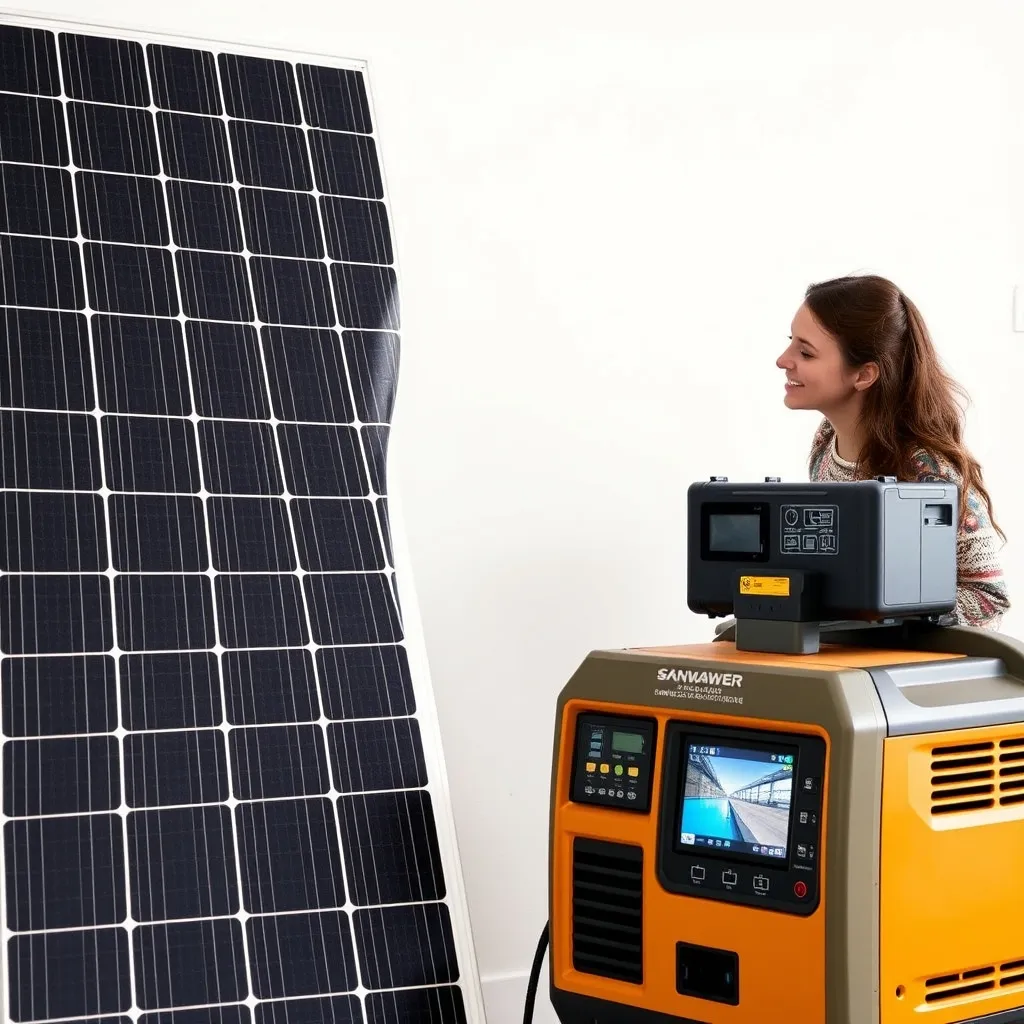 Recommended for youPortable Power Station vs Solar Generator: What's the Difference and Which Should You Buy?
How to decide: a practical process
1. List what you must keep running
Split your list into "must have" and "nice to have." Must-haves are often a refrigerator, medical equipment, router and modem, phone charging, and a few lights. Be honest about heavy loads such as electric heating, central air, electric water heaters and dryers. These are a poor match for most portable stations. Our guide on whether a Jackery can power a whole house covers this in more depth.
2. Find each device's watts
Check the label or manual. Motor-driven appliances like refrigerators, pumps and compressors draw a higher surge when starting than when running. Your power source must handle that surge. A rough rule from basic electrical math is that watts equal volts times amps, so a standard 120V, 15A circuit tops out around 1,800 W. Treat that as a ceiling for the circuit, not a promise about any product.
3. Estimate watt-hours for the outage you plan for
Multiply each device's average running watts by the hours you'll use it. Refrigerators cycle on and off, so their average draw is lower than the label wattage. Add a margin for inverter losses. The full method is in How to Size a Power Setup, and a quick outage estimate is in How many watt-hours do you need to get through a power outage?
4. Decide how long you're planning for
- A few hours to a day: a portable power station is often enough for essentials.
- Several days: you need more stored energy or a way to recharge, and the choice gets harder.
- Frequent, long outages: consider a larger integrated system or a different source. See Solar Generator vs Gas Generator for Outages.
5. Plan how you'll recharge
Batteries only help until they're empty. Solar panels can extend runtime, but output depends on weather, season, panel angle and shade, and a cloudy week can produce little. If you're weighing upgrades, read Solar Panels vs Expansion Batteries. For panel counts and wiring, see how many panels to charge a Jackery and connecting panels in series or parallel. Always check the input limits for your specific model.
Honest tradeoffs
Where a portable power station wins
- No installation, so it works for renters too.
- Works indoors without exhaust fumes, unlike a gas generator. Still allow ventilation as the manual directs.
- Useful beyond outages, for camping, vehicles and work. If those uses matter, see power tools on a job site and RV air conditioners, where surge and runtime limits apply.
Where it falls short
- It can't run many large appliances at once.
- You manage cords and decide what gets power.
- Runtime can be short with high-draw loads.
Where a home backup kit wins
- Powers hard-wired circuits without cords.
- Can be more convenient in a long outage.
Where it falls short
- Higher total cost, since installation and permits are separate from the equipment.
- Less portable.
- May still not cover central air or electric heat unless it is sized for them. Ask the manufacturer and your electrician.
A simple rule of thumb
- Choose a portable power station if your must-have list is short, you want something flexible, and you don't want electrical work.
- Consider a home backup kit if you need hard-wired loads covered, outages are frequent or long, and you're willing to hire a licensed electrician.
- Consider a mix: a portable station for essentials now, with a larger system later if your needs grow.
Also, if anyone in your home depends on powered medical equipment, talk to the device provider or your clinician about a backup plan. A consumer battery isn't a guaranteed replacement for medical-grade backup.
Next steps
- Write your must-have list and the watts for each item.
- Calculate watt-hours for your target outage length.
- Compare options in Best Jackery Power Station: Top Picks by Budget, Capacity and Use Case.
- If you're considering panel integration, get a licensed electrician's quote.
- Confirm current specs, pricing and availability on the official Jackery site.
If you're still unsure how solar fits in, Portable Power Station vs Solar Generator explains the difference.
Keep reading
 How to Size a Power Setup: Watts, Watt-Hours and Runtime Math for Any UseSizing a power setup comes down to two numbers: watts (how much power your devices pull at once) an…
 Solar Panels vs Expansion Batteries: Which Upgrade Should You Add First?Short answer: add solar first if outages in your area can last more than a day or two, or if you'll…
 Solar Generator vs Gas Generator for Outages: Cost, Noise, Fuel and RuntimeA gas generator and a solar generator can both keep essentials running during an outage, but they w…