Short answer: a portable power station and a solar generator are usually the same core product. The difference is mostly what's in the box. A portable power station is a rechargeable battery with an inverter and outlets. A "solar generator" is typically that power station sold with one or more solar panels. Jackery, like several brands, uses "Solar Generator" as the name for those bundles.
What each term means
Portable power station
A self-contained unit with a battery, an inverter (which turns stored DC power into household AC), and a charge controller. You get AC outlets, USB ports and usually a car-style 12V port. It charges from a wall outlet, a car, or solar panels if the model supports it. Many models do.
Solar generator
This is a marketing label, not a separate technology. Nothing is being "generated" by the box. The panels collect energy and the battery stores it. When you see a solar generator listing, check three things:
- Which power station model is included
- How many panels come with it and their rated wattage
- Whether the bundle costs less than buying the pieces separately (confirm current pricing on the official site, as bundles change)
Side-by-side comparison
| Factor | Power station only | Solar generator (bundle) |
|---|---|---|
| What you get | Battery, inverter, outlets | Same, plus panels and cables |
| Recharging | Wall, car, or panels you buy separately | Wall, car, or the included panels |
| Best for | Short outages, car trips, indoor use, tight budgets | Long outages, off-grid camping, no reliable grid access |
| Main tradeoff | Runs out if the grid stays down | Panels need space and sun, and add cost |
| Flexibility | You can add panels later if compatible | You get a matched setup, but may overbuy or underbuy panels |
Which should you buy?
Buy the power station alone if…
- Your outages usually last hours, not days.
- You want to cover essentials like phones, Wi-Fi, lights and a laptop.
- You live where panels aren't practical, such as an apartment with no outdoor space.
- You'd rather add panels later once you know you need them.
Buy the solar bundle if…
- You expect multi-day outages from storms, wildfire shutoffs or rural grid issues.
- You camp or travel where you can't plug in.
- You have a safe spot with direct sun for the panels.
Solar is slower than most people expect. Output depends on panel wattage, season, angle, shade and cloud cover, and real-world output is usually below the panel's rated number. Treat any manufacturer charge-time figure as best-case and check how it was measured. Our guide on how many solar panels you need to charge a Jackery walks through the math, and this explainer on series and parallel connections covers the compatibility limits. Check your model's input voltage and wattage limits before you connect anything.
 Recommended for youHow to Size a Power Setup: Watts, Watt-Hours and Runtime Math for Any Use
How to decide in five steps
- List what you must power. Note each device's running watts. Motor loads like refrigerators and power tools can surge well above that at startup.
- Estimate hours of use. Watts × hours = watt-hours. Our sizing guide and outage watt-hour explainer have worked examples.
- Check two numbers on the unit. Battery capacity (Wh) sets how long it runs. Inverter output (W) sets what it can run at once. Leave some margin, because inverter losses mean you won't get 100% of the rated capacity.
- Decide how you'll recharge. If the grid could be out for days, panels matter. If not, wall charging may be enough.
- Confirm specs on the official Jackery site. Models, capacities, ports, battery chemistry, warranty terms and prices change, and we don't list them here so you don't rely on outdated figures.
Know the limits
- Whole-house power: A single portable unit isn't a whole-home backup system. See can a Jackery power a whole house? and home backup kit vs portable power station.
- High-draw appliances: RV air conditioners and some power tools need high startup power. Read the RV AC answer and the job-site tools answer before assuming a model will work.
- Medical equipment: If anyone relies on powered medical devices, such as oxygen concentrators or CPAP machines, talk to the device maker and a healthcare professional about backup power. Don't rely on a general guide or a spec sheet alone.
- Safety: Follow the manual for ventilation, operating temperatures, and wet conditions. Don't connect a power station to your home wiring unless a licensed electrician has installed a proper transfer arrangement. Backfeeding through an outlet is dangerous.
How it compares to other options
If you're weighing a battery-based setup against fuel, see solar generator vs gas generator for outages. Gas units generally offer longer runtime as long as you have fuel, but they're louder and must run outdoors. Batteries are quiet and have no exhaust, but they have finite capacity until recharged.
If you already own a power station, solar panels vs expansion batteries can help you pick your first upgrade. Panels extend how long you can go on repeated recharging, while an expansion battery increases how much is stored up front.
Next step
Once you know your watt-hour and wattage needs, compare actual models in our Jackery picks by budget, capacity and use case. For the bigger picture, start with choosing the right power setup. Always verify current specs, compatibility and pricing on the official Jackery site before buying.
Keep reading
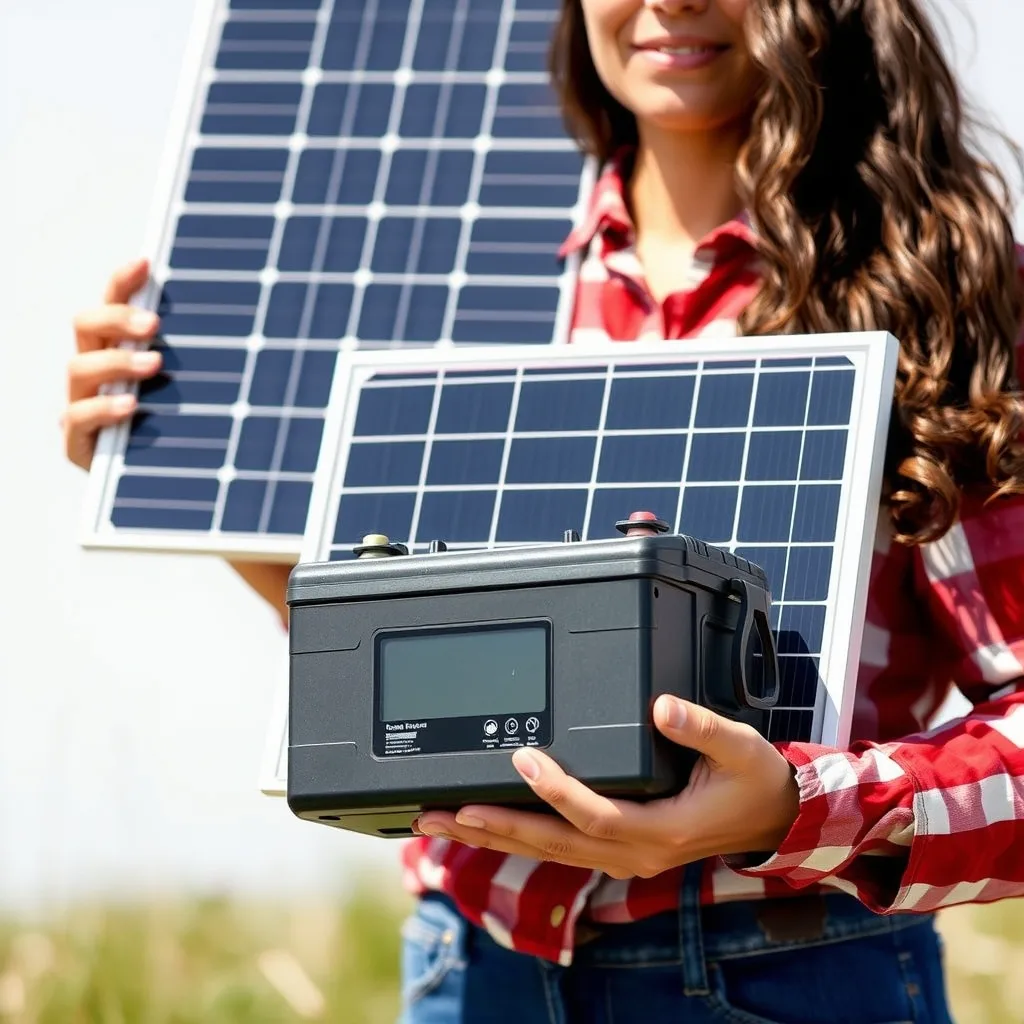 Solar Panels vs Expansion Batteries: Which Upgrade Should You Add First?Short answer: add solar first if outages in your area can last more than a day or two, or if you'll…
 Home Backup Kit vs Portable Power Station: Which Level of Outage Protection Do You Need?The short answer A portable power station covers specific devices: a refrigerator, phone chargers,…
 Solar Generator vs Gas Generator for Outages: Cost, Noise, Fuel and RuntimeA gas generator and a solar generator can both keep essentials running during an outage, but they w…